Bloc-Building and (Dis)Continuity
Cross-border connections and transformations in industrial enterprises in East Central Europe and China, 1945–1960
About the project
Bloc-Building and (Dis)Continuity is an international research project run by historians in Leipzig, Bologna, Prague and Warsaw. It studies what happened to industrial enterprises when East Central Europe and China were drawn into the Soviet bloc after World War II.
Instead of looking at trade statistics and party leaderships, we look inside machine- and vehicle-building firms in the GDR, Bulgaria, China, Czechoslovakia and Poland. We follow their trade, capital and know-how across borders and ask how much of it survived the socialist takeover. In today’s terms, we study a historical case of decoupling: the political separation of economies into rival blocs, and what it meant for the firms caught in between.
The disruptive character of the socialist transformations after World War II has been overstated. Managers, engineers and trade experts kept networks and knowledge that the new regimes needed.
Partner institutions


Funded by



The project is funded under the Weave programme by the German Research Foundation (DFG), the Czech Science Foundation (GAČR) and the National Science Centre, Poland (NCN).
About
What happens to industrial firms when countries form blocs?
Within a few years after 1945, the economies of East Central Europe and China were reoriented towards the Soviet Union. Economists and historians have often read this as a story of “bloc autarky”: nationalization, isolation and the cutting of old ties.
Today this process would be called decoupling: the deliberate reduction of economic ties between countries for geopolitical reasons. The early Cold War offers a historical case of decoupling, from its political decisions to its effects inside firms, over the short and the long term.
This project looks at the same years from inside the enterprises. We study their international connections (foreign trade, capital flows, and the transfer of technical and management know-how) and ask where these connections broke and where they continued. Our first findings suggest that decoupling was a political, dynamic and often temporary process: FSO’s cooperation with Fiat was cut off in 1949–51 but renewed after 1956, leading to the Polski Fiat licence of 1965.
Our cases come from machine-building and vehicle construction, a key sector for socialist industrialization. They span the most industrialized economies of the new bloc (the GDR and Czechoslovakia), a “middle-ground” case (Poland), and largely agrarian ones (Bulgaria and China).
Research questions
- How did trade networks, management and technology flows of enterprises change when socialist governments took power?
- How did continuity and rupture at the enterprise level shape the building of the blocs?
- How did these patterns interact with nationalization and the planned economy?
Approach
The project combines business history with organization studies. All five cases are compared on the same questions of ownership, staff, management, production, technology transfer, credit, imports and exports, using sources from public and company archives in six countries.
Case Studies
Machine- and vehicle-building enterprises in five countries
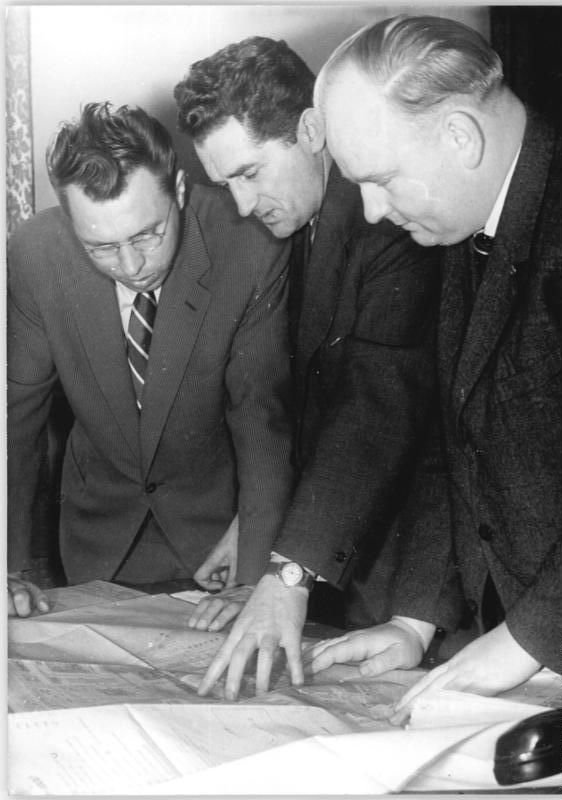
GDR: Polysius / VEB Zementanlagenbau, Dessau, and Textima, Chemnitz
Jan Zofka, GWZO Leipzig
Polysius was a globally active maker of cement-plant equipment before 1945. Its post-war managers had nearly all been second-tier managers before the war, and a large Soviet order, rather than dismantling, kept the factory going. The case is extended to Textima, the East German textile-machinery combine in Chemnitz.
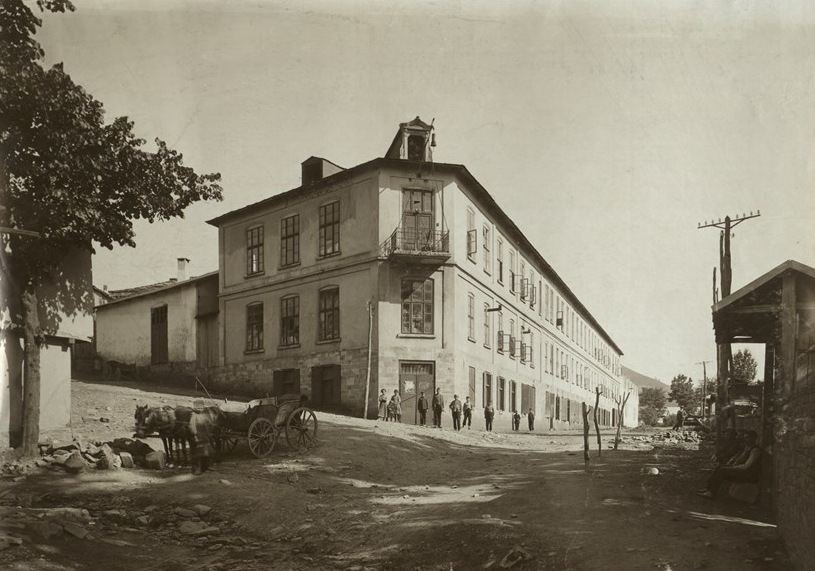
Bulgaria: State Machine-Building Factory (DMZ), Gabrovo
Jan Zofka, GWZO Leipzig
Formed from private makers of looms and spare parts in Bulgaria’s textile centre, the factory grew through technology transfer within the Soviet bloc.
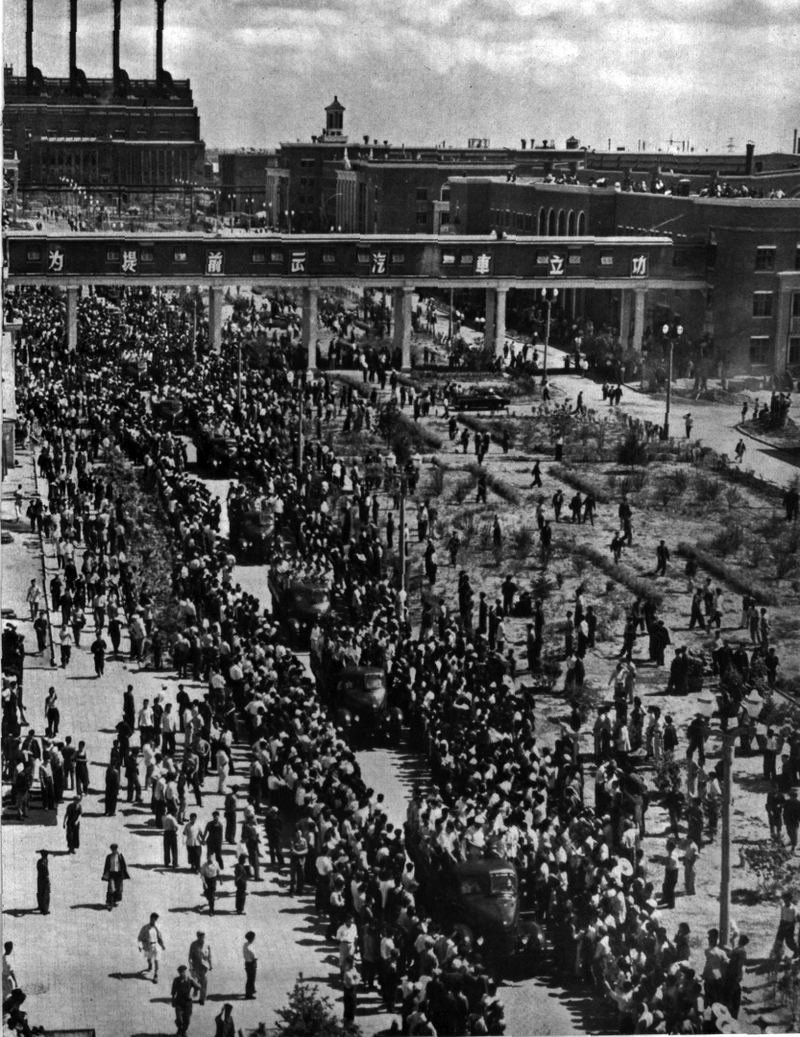
China: the automobile cluster in Shanghai
Valeria Zanier, University of Bologna, and Wenjie Zhou, GWZO Leipzig
A cluster of small workshops in Shanghai, among them the Shanghai Automobile Decoration Factory, once open to Western and Japanese technology and reorganized into Soviet-style conglomerates.
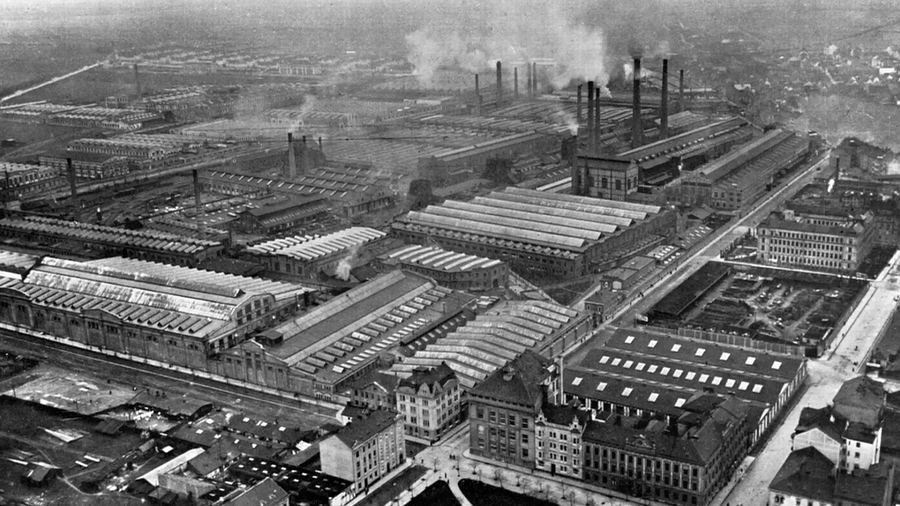
Czechoslovakia: Škoda Works, Plzeň
Aleš Skřivan and Tereza Strejčková, Prague University of Economics and Business
One of Europe’s great engineering and arms producers and a centrepiece of the new regime’s industrial strategy. The team works with the Škoda Archive in Plzeň, including previously unprocessed material.
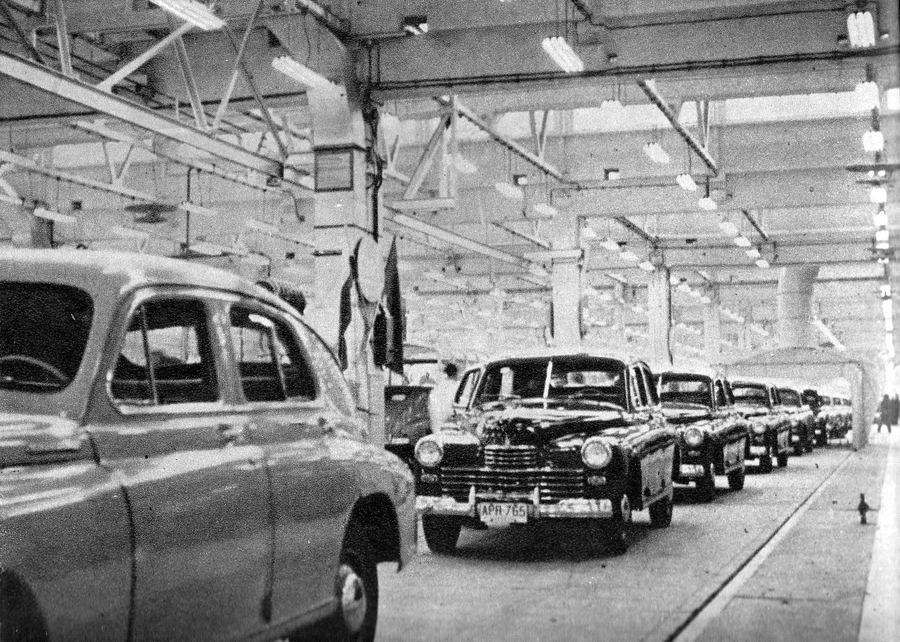
Poland: Passenger Car Factory (FSO), Warsaw
Tomasz Olejniczak, Mariusz Jastrząb, Karol Banach and Jan Koryś, Kozminski University
The car factory at Żerań started post-war production with a Soviet GAZ model, after ending a relationship with Fiat that its predecessors had built. The team is building a business archive of FSO from state archives, the Fiat Historical Centre in Turin, interviews, company journals, press clippings, photographs and films.
Who is Who?
Leipzig: GWZO
Dr Jan Zofka
Principal investigator and project leader. GWZO – Leibniz Institute for the History and Culture of Eastern Europe. GDR and Bulgaria cases
China unit: Bologna and Leipzig
Prof. Valeria Zanier
Principal investigator. University of Bologna
Wenjie Zhou
Doctoral researcher. GWZO Leipzig
Prague: University of Economics and Business
Prof. Aleš Skřivan
Team leader. Department of Economic History
Tereza Strejčková
Postdoctoral researcher
Warsaw: Kozminski University
Prof. Tomasz Olejniczak
Team leader. Center for Business History
Dr Mariusz Jastrząb
Postdoctoral researcher. Collegium Civitas / Center for Business History
Karol Banach
Doctoral researcher
Jan Koryś
Student assistant. University of Warsaw
Cooperation partners
Prof. Valentina Fava
Ca’ Foscari University of Venice
Martin Gumiela
Vienna University of Economics and Business
Past Events
Project panel at the WBHCEE workshop in Prague
All project members presented at the 8th Workshop on Business History in Central and Eastern Europe, “Financing Business in the History of Central and Eastern Europe”, at the Faculty of Arts, Charles University, in cooperation with EBHA. The panel “Money, Barter, Aid? How to Get Enterprises Running after War and Communist Takeover in East Central Europe and China (late 1940s/1950s)” was chaired by Valentina Fava.
World Business History Congress, Toronto
Three papers from the FSO case: on Fiat in interwar Poland, on FSO’s 1976 anniversary celebrations, and on FSO engineers trained in the Soviet Union.
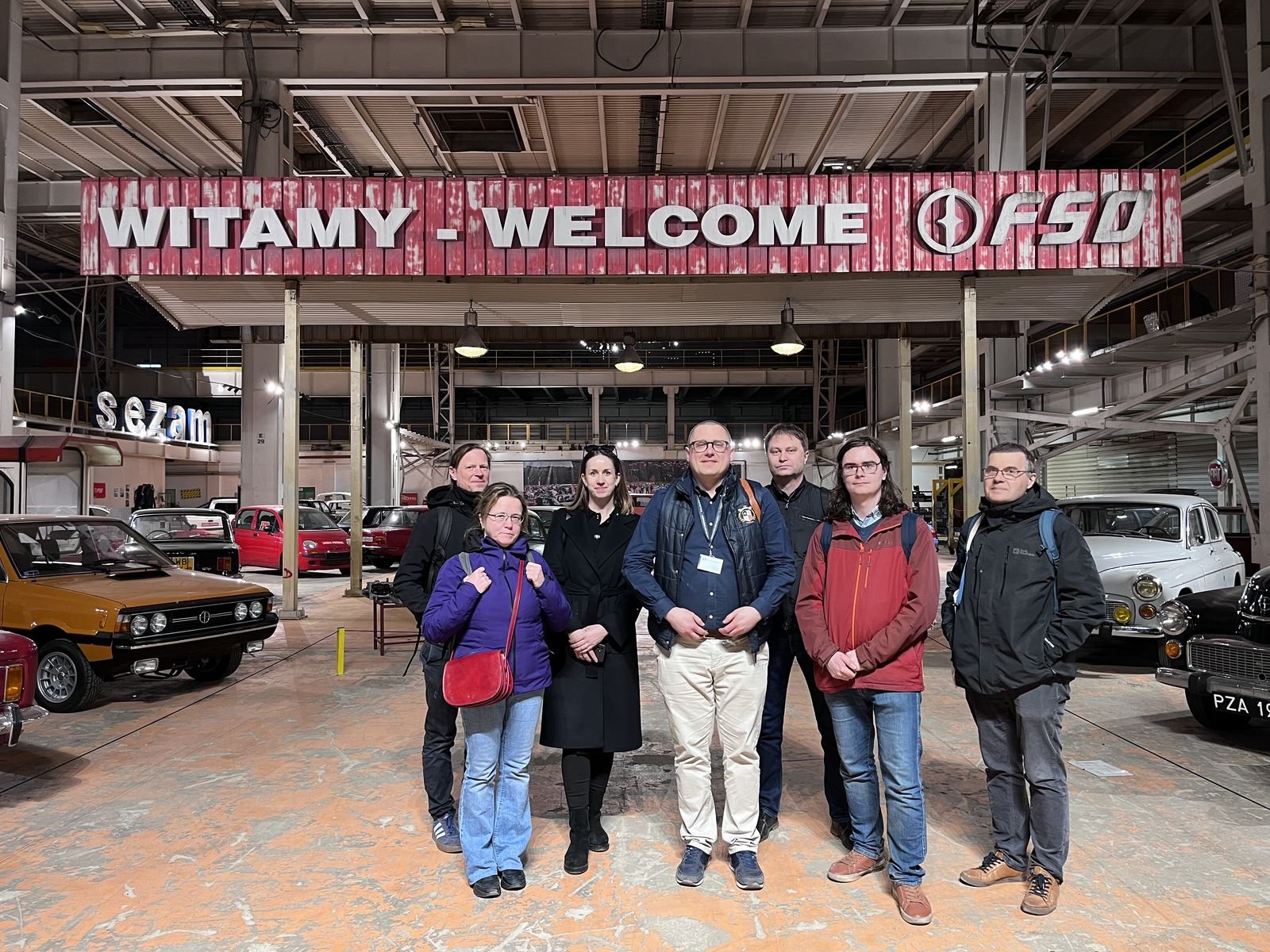
Project meeting in Warsaw
The research teams from Leipzig, Bologna, Prague and Warsaw met at Kozminski University to present the state of their work on the five cases. The programme included a visit to the former FSO car factory at Żerań.
Project meeting and MAXQDA training
The team met to agree on a shared coding approach for the archival sources.
Fieldwork in China
Valeria Zanier carried out archival fieldwork for the Shanghai case.
Polish team starts work
The Warsaw unit at Kozminski University launched its work on the FSO case.
Czech team starts work
The Prague unit at the University of Economics and Business began its research on the Škoda Works.
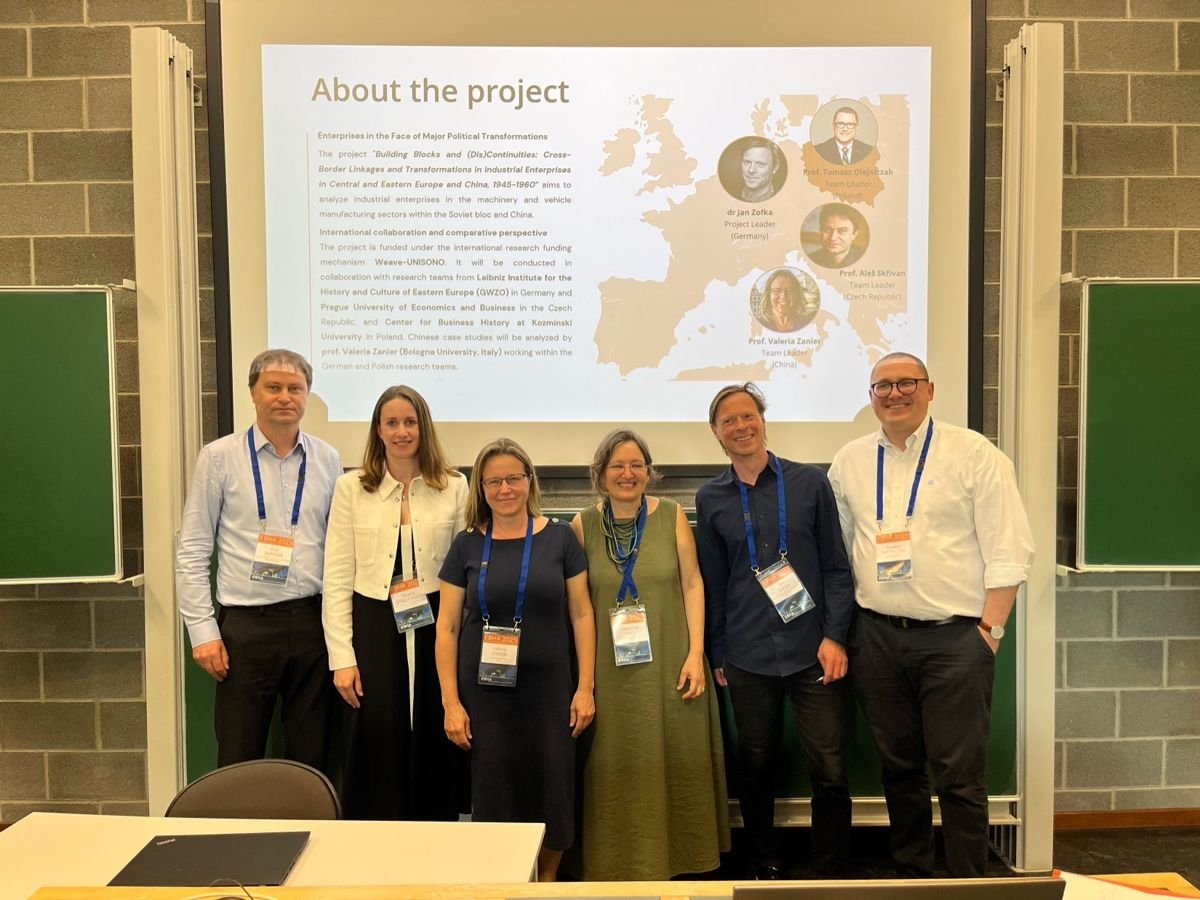
Project presented at EBHA in Brussels
At the European Business History Association congress, the project was presented to the business history community with the paper “The Factory That Never Was: Postwar Plans for a Fiat Plant in Warsaw”.
Upcoming Events
Dates and venues will be announced here.
Working Papers
Papers presented at conferences. The project will later publish a collective monograph, a journal special issue and articles.
WBHCEE, Prague, September 2026
World Business History Congress, Toronto, July 2026
EBHA Congress, Brussels, June 2025
Call for Applicants
There are no open positions at the moment. Calls for workshops, papers and positions will be announced here.